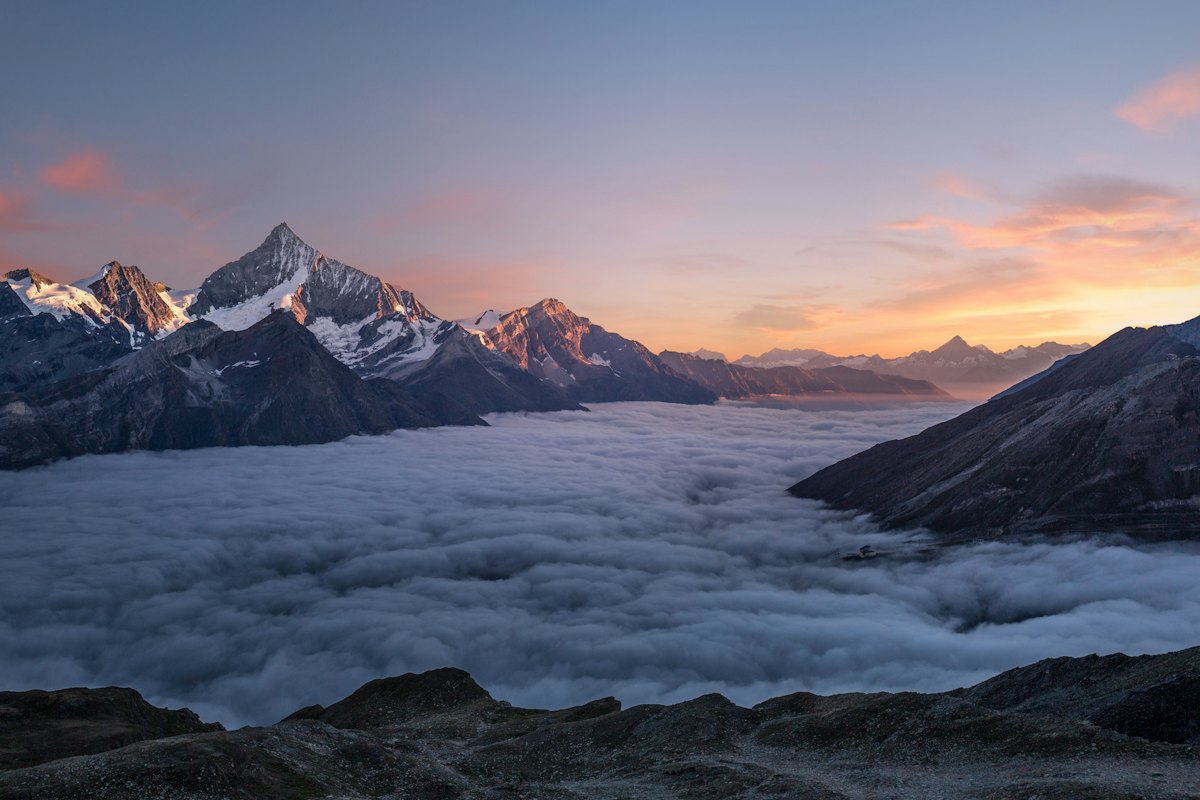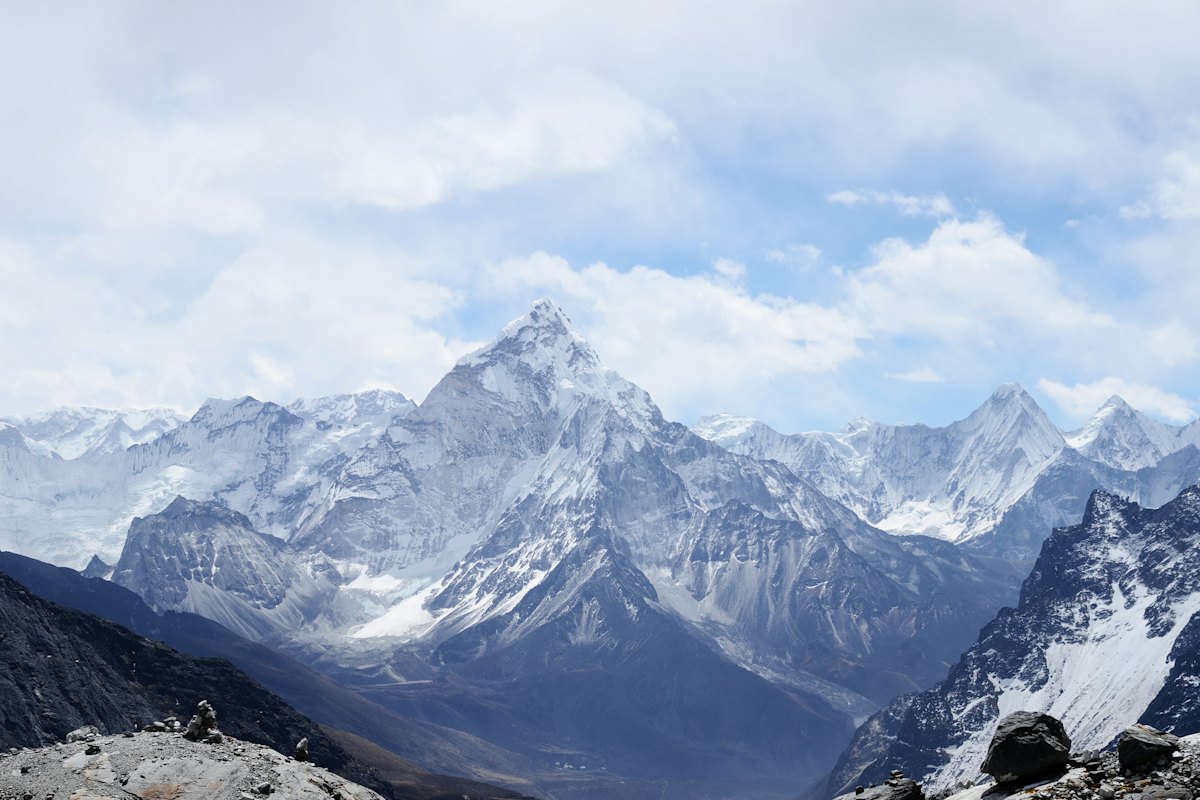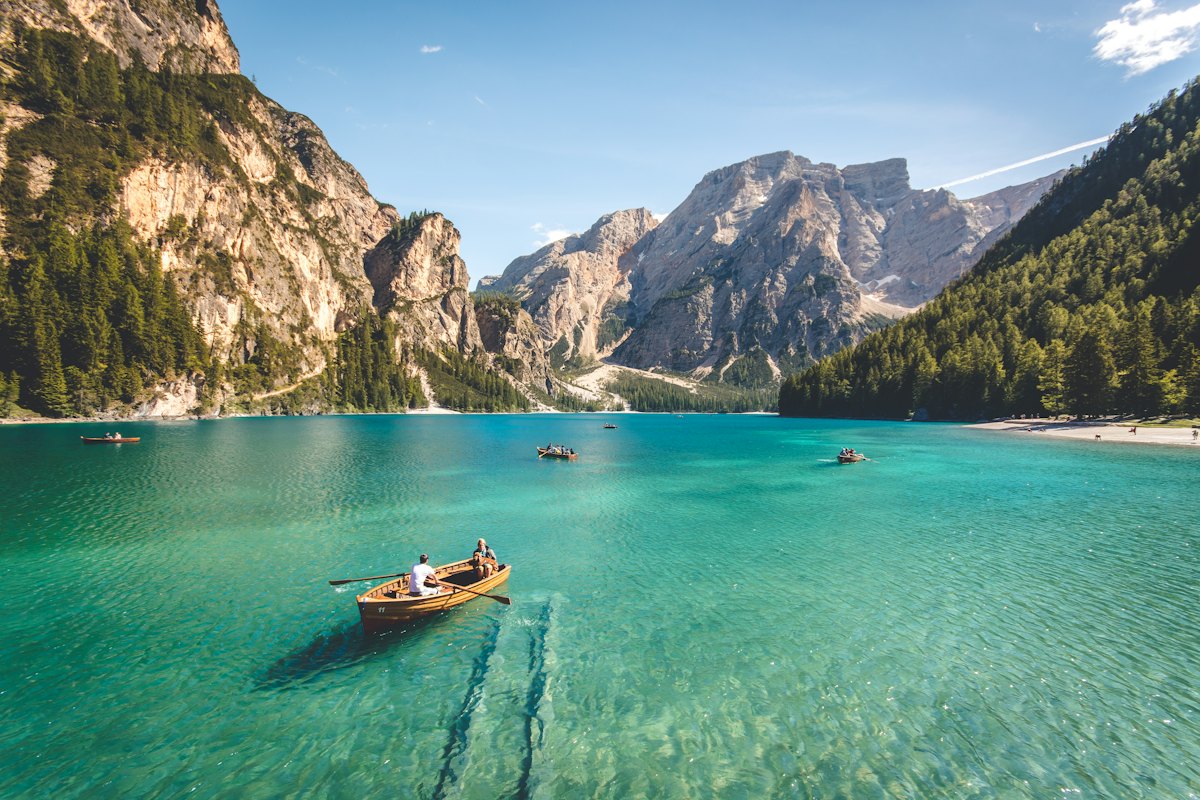
Hunza has a way of feeling both cinematic and deeply personal. From apricot orchards in spring to the dramatic road views of the Karakoram Highway, every bend reveals a new reason to linger. Whether this is your first Northern Pakistan trip or a return to a familiar valley, Hunza rewards travellers who move slowly and plan intentionally.
Why Hunza feels different
The valley blends heritage, mountain drama and easy hospitality. Karimabad sits beneath Rakaposhi and offers the perfect base for wandering through forts, local markets and family-run guesthouses. The surrounding villages, lakes and viewpoints add rhythm to a trip without making it feel rushed.
- Visit Baltit and Altit Forts for centuries of history and panoramic views.
- Take the Karakoram Highway toward Passu and Khunjerab for unforgettable road scenery.
- Slow down in Gulmit, Altit and Karimabad for local culture and food.
Best time to visit Hunza
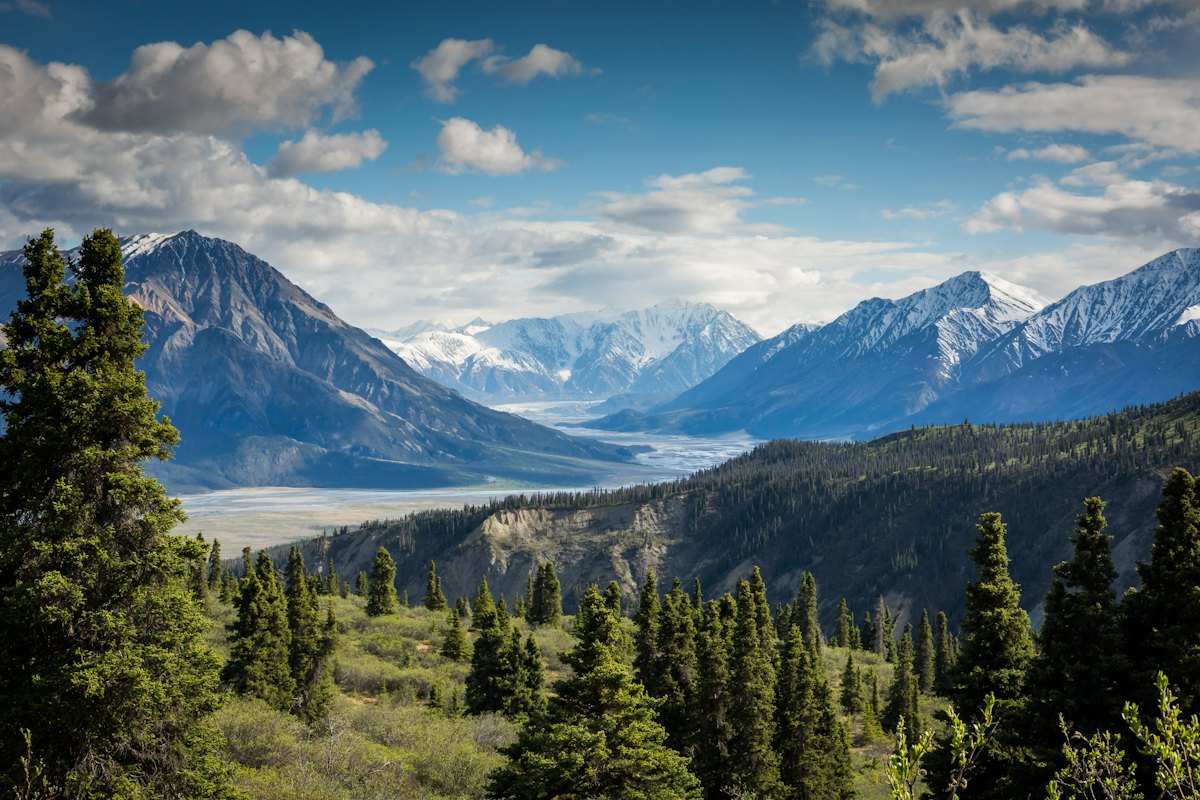
Spring and early autumn are the sweet spots for most travellers. April to June brings blossom, longer days and cooler mountain air, while September and October offer golden landscapes and clear views. If you want to combine Hunza with Khunjerab Pass or a high-altitude drive, aim for late summer or early autumn.
“Hunza is less about ticking boxes and more about noticing the rhythm of the valley: apricot light, mountain villages, and the road that never stops revealing something new.”
A practical plan for your trip
Most travellers spend three to five nights in Hunza. A simple route is to fly or drive to Gilgit, then continue to Karimabad. Stay close to the old town, visit Baltit Fort and Eagle's Nest in the afternoon, and allocate a full day for Passu, Attabad Lake and Hussaini Bridge. If you have extra time, add a day trip to Khunjerab Pass or Gojal valley.